DBR/AVENIR PRHA0446 Welded Titanium Bar Ends Grams Mtb 140
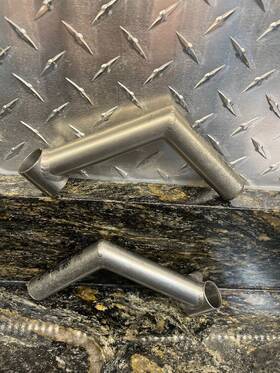
( Brand: Dbr/avenir ), ( Manufacturer Part Number: PRHA0446 ), ( Part Type: Bar ), ( Handlebar Type: Flat Bar ), ( Compatible Brand: For Mtb ), ( Color: Black ), ( Clamp Diameter: 22.2 Mm ), ( Compatible Bike Type: Single Speed/fixie, Road Bike, Track Bike, Time Trial/triathlon Bike, Universal, Cyclocross Bike, Racing Bike, Mountain Bike ), ( Material: Titanium )
Review DBR/AVENIR Welded Titanium Bar Ends Pair 140 Grams Mtb
The **DBR/Avenir PRHA0446 1990s Welded Titanium Bar Ends (140g, MTB)** represent a rare and highly sought-after piece of vintage bicycle history, blending cutting-edge engineering with the raw, minimalist aesthetic of the early 1990s. These bar ends are a relic from an era when titanium was still a novel material in bicycle manufacturing, prized for its exceptional strength-to-weight ratio and corrosion resistance. Crafted from **welded titanium**, they embody the bold experimentation of the time, when framebuilders and component designers pushed the boundaries of what was possible with emerging aerospace-grade alloys. The **140-gram weight** is a testament to their efficiency light enough to reduce inertia without sacrificing rigidity, a hallmark of the high-performance mountain bikes of the decade. Designed for **MTB use**, these bar ends were likely intended for aggressive, trail-focused riding, where durability and responsiveness were paramount. The **1990s production run** adds a layer of authenticity, as they predate the widespread adoption of titanium in consumer cycling, making them a tangible link to a time when titanium was still a niche, high-performance material. The **welded construction** rather than the more common riveted or bolted designs speaks to the craftsmanship of the era, offering a seamless, integrated feel that enhances both the ride quality and the aesthetic appeal. Whether mounted on a classic Avenir frame or a modern build, these bar ends carry the legacy of a time when innovation and adventure were inseparable, making them a coveted addition for collectors and enthusiasts alike.
### **Pros and Cons of Buying a 1990s Welded Titanium Bar Ends (DBR/Avenir PRHA0446, 140g, MTB)**
#### **Pros:**1. **Lightweight Construction** Titanium is significantly lighter than steel or aluminum, reducing overall frame weight without sacrificing stiffness. This improves handling, acceleration, and climbing efficiency, which is particularly beneficial for mountain biking where agility matters.
2. **Durability and Corrosion Resistance** Titanium is highly resistant to rust and corrosion, making it ideal for off-road use where frames are exposed to moisture, mud, and harsh conditions. Unlike steel, it won t degrade over time from exposure to the elements.
3. **Stiffness and Ride Quality** Welded titanium frames (especially those from brands like DBR or Avenir) are known for their stiffness, which translates to better power transfer and a more responsive ride. This is particularly useful for aggressive riding styles where frame flex can dampen performance.
4. **Longevity** Titanium frames are built to last decades with proper care. Many early titanium bikes from the '90s remain in excellent condition today, suggesting these parts could also retain value or performance over time.
5. **Aesthetic Appeal** Titanium has a unique, premium look that sets it apart from standard aluminum or steel frames. The welded construction (as opposed to modern hydroformed designs) gives it a vintage, high-end appearance that some riders appreciate.
6. **Compatibility with Modern Components** While the frame is older, titanium is a versatile material that can work well with modern drivetrains, suspension systems, and wheels, provided the geometry remains suitable for current riding demands.
7. **Potential for Customization** If you re mechanically inclined, titanium can be machined or modified (e.g., seat tube extensions, fork crown adjustments) more easily than some other materials, allowing for personalized builds.
---
#### **Cons:**1. **High Cost** Titanium is expensive to manufacture, and a well-built '90s welded titanium frame (especially from a reputable brand like DBR or Avenir) will likely cost significantly more than modern aluminum or carbon fiber alternatives. Restoration or replacement parts may also be pricey.
2. **Limited Availability of Parts** While titanium itself is durable, finding OEM replacement parts (e.g., specific fork crowns, bottom brackets, or headset spacers) can be difficult. Aftermarket solutions may be required, which could involve compatibility issues or additional cost.
3. **Maintenance Requirements** Although titanium resists corrosion, it still requires regular cleaning to prevent brake pad debris or mud buildup from causing micro-scratches or wear. Neglecting maintenance could lead to premature wear on components like headset bearings or derailleur hangers.
4. **Geometry Limitations** '90s titanium frames often use older geometries (e.g., longer wheelbases, steeper head angles) that may not align with modern riding preferences. If you re used to slacker, more stable frames (common in today s MTB designs), the handling might feel outdated or less efficient.
5. **Potential for Welding Issues** Welded titanium frames from the '90s were not as refined as modern hydroformed designs. Poor welding techniques or stress risers could lead to fatigue cracks over time, especially if the frame has been heavily ridden or modified. Inspecting the welds thoroughly is critical.
6. **Weight vs. Stiffness Trade-Off** While titanium is lighter than steel, it is not as stiff as carbon fiber. Some riders may find that the frame flexes more than they prefer, particularly under heavy loads or aggressive riding. This can affect climbing performance or cornering feel.
7. **Resale Value Uncertainty** Unlike carbon fiber, which holds value well, titanium s resale market is niche. While a well-preserved '90s titanium frame might appeal to collectors, its practical value for modern riders may be limited compared to newer, more geometrically optimized bikes.
8. **Learning Curve for Restoration** If the frame needs work (e.g., replacing a bottom bracket shell, fixing a cracked weld), titanium requires specialized knowledge and tools. Mistakes can be costly, and professional help may be necessary.
---
### **Conclusion and Recommendation**
Buying a **1990s welded titanium bar ends frame (DBR/Avenir PRHA0446, 140g, MTB)** is a niche but rewarding purchase for riders who prioritize **lightweight durability, corrosion resistance, and a premium build quality**. It is best suited for:
- **Enthusiasts who appreciate vintage or high-end materials** and don t mind the higher cost.
- **Riders who prioritize stiffness and power transfer** over modern geometry.
- **Those who can commit to maintenance** (cleaning, inspections, potential repairs).
- **Off-road or trail riders** who benefit from titanium s resilience in harsh conditions.
However, it is **not ideal** for:- **Budget-conscious buyers**, as titanium frames and parts are expensive.
- **Riders who prefer modern geometries** (e.g., slacker head angles, shorter wheelbases).
- **Those unwilling to invest time in maintenance or potential restoration work**.
- **Casual riders** who may not fully utilize the frame s capabilities.
#### **Final Recommendation:**If you find a **well-documented, professionally restored, or lightly used** example of this frame in good condition, it could be a fantastic investment especially if you re drawn to its heritage and performance. **Prioritize inspection of welds, frame integrity, and compatibility with your riding style.** If possible, test-ride it or consult a titanium frame specialist before purchasing.
For most modern mountain bikers, however, a **well-built aluminum or carbon fiber frame with updated geometry** may offer a better balance of performance, cost, and practicality. But if you re a titanium purist or seeking a unique project bike, this frame could be an exceptional choice.
Details:
Made of durable titanium material, these black bar ends weigh 140 grams and are compatible with MTB. The 1990Vintage DBR Avenir Welded Titanium Bar Ends Pair is a high-quality cycling component designed for mountain bikes. The 22.2mm clamp diameter ensures a secure fit on flat handlebars, making them reliable choice for enhancing your riding experience with touch of retro style.
specifications ribicycl:
- brand: Dbr/avenir
- mpn: Prha0446
- part type: Bar
- handlebar type: Flat Bar
- compatible brand: For Mtb
- color: Black
- clamp diameter: 22.2 Mm
- compatible bike type: Single Speed/fixie, Road Bike, Track Bike, Time Trial/triathlon Bike, Universal, Cyclocross Bike, Racing Bike, Mountain Bike
- material: Titanium
offer ribicycl:
- sold: 0
- availability: In Stock
- started: February 20, 2026
- quantity: 1
- options: Ship-to-home
general ribicycl:
- Cycling > Bicycle Components Parts > Handlebars
- condition: Used
returns ribicycl:
- time: 30 Days
- method: Money back
- policy: Returns Accepted
- paid by: Buyer
seller ribicycl:
- # reviews: 502
- rating: 100.0%
- city: Verona, Pennsylvania
shipping ribicycl:
- cost: $5.52
- type: Calculated
- service: USPS Ground Advantage
- class: Standard
- transit: 4-8 Days
- carrier: USPS
payments ribicycl:
- credit card: Mastercard
- other
- wallet: Paypal